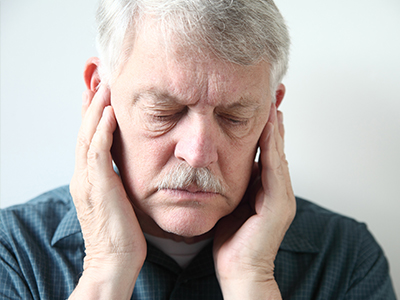
Temporomandibular joint disorders (commonly called TMJ disorders or TMD) affect millions of people and are a frequent reason patients seek relief for chronic facial pain and jaw dysfunction. Research from national dental and craniofacial authorities highlights that problems with the jaw joint and surrounding muscles can be widespread, and that early recognition of symptoms improves the chances for successful management.
The temporomandibular joints are paired structures that connect the lower jaw (mandible) to the temporal bones of the skull. Each joint combines hinge-like movement with a sliding action, and both joints must work in concert with muscles, ligaments, and a small cushioning disc for normal function. That combination of motions makes the TMJ one of the most mechanically complex joints in the body.
An intact articular disc and well-coordinated muscle activity allow for everyday activities like chewing, speaking, swallowing, and yawning. When any part of this system—disc position, joint surfaces, or the muscles that control movement—becomes compromised, pain and functional limitations can follow. Because the jaw must perform many different movements smoothly, even small disruptions can produce noticeable symptoms.
The joint’s complexity also explains why diagnosis and treatment require careful evaluation. Problems can arise from structural changes inside the joint, from muscular problems outside the joint, or from both at once. Understanding the jaw’s normal mechanics is the first step toward identifying what has changed and how best to help restore comfort and function.
TMJ disorders rarely have a single cause. Instead, they often result from a combination of factors that place strain on the joint and surrounding tissues. Repetitive habits such as clenching and grinding (bruxism) are common contributors because they increase muscle tension and wear on the joint structures. Acute injuries — for example, a blow to the jaw — can also trigger joint dysfunction.
Certain medical conditions raise vulnerability to TMJ problems. Degenerative joint conditions like osteoarthritis can alter the joint surfaces, and inflammatory disorders such as rheumatoid arthritis may produce painful changes in joint tissues. Hormonal, genetic, and psychosocial factors can influence how symptoms develop and persist for different people.
Lifestyle and occupational influences also matter. Chronic stress, poor posture, and tasks that require prolonged or extreme jaw opening can exacerbate symptoms. Identifying which combination of risk factors is present helps clinicians recommend targeted strategies to reduce strain and prevent recurrence.
Symptoms of TMJ disorders vary widely between individuals and may change over time. Pain localized to the jaw joint or the muscles that control it is common, but patients may also report recurring headaches, ear discomfort, or a sensation of fullness in the ear. Some people experience audible sounds—clicking, popping, or grating—when they open or close their mouth.
Functional signs include locking or catching of the jaw, restricted mouth opening, and difficulty chewing certain foods. Muscle tenderness in the face, neck stiffness, and even dizziness or referred pain to the shoulders can accompany TMJ conditions. Because these signs overlap with other disorders, a careful clinical assessment is important to identify the jaw as the source.
The intensity and impact of symptoms are not always proportional to visible changes on imaging. Some patients have significant discomfort with minimal structural change, while others may have advanced degenerative findings but relatively mild symptoms. A symptom-focused approach helps prioritize relief and practical improvement in daily function.
A thorough evaluation starts with a detailed history and a hands-on clinical examination. The clinician will ask about symptom patterns, prior injuries, habits such as clenching or gum chewing, and any medical conditions that could affect joint health. Examination includes checking jaw movement ranges, palpating the muscles of mastication for tenderness or spasm, and listening for joint sounds during motion.
Imaging and diagnostic tests are used selectively to clarify the underlying problem. Panoramic and cone-beam radiographs provide useful views of bony structures, while magnetic resonance imaging (MRI) is the preferred tool to evaluate the soft-tissue disc and intra-articular components. Imaging is most helpful when conservative measures fail or when the history suggests internal derangement or advanced degenerative change.
Collaboration with other health professionals is sometimes beneficial. Physical therapists trained in orofacial pain, otolaryngologists, or rheumatologists may be consulted when symptoms cross into their areas of expertise. The goal of diagnosis is to identify the dominant source of dysfunction—muscle versus joint versus combined—and to tailor a treatment plan accordingly.
Most patients begin with conservative, reversible therapies focused on reducing pain and restoring comfortable function. Oral appliances, such as stabilization splints or night guards, can reduce excessive tooth contact and muscle strain. These devices are custom-fitted and are intended to protect teeth and calm hyperactive jaw muscles while other therapies take effect.
Non-surgical interventions include targeted physical therapy, guided stretching and strengthening exercises, and manual techniques to reduce muscle tension and improve joint mobility. Short-term use of over-the-counter anti-inflammatory medications may be recommended for symptom relief, while prescription medications—such as muscle relaxants or pain modulators—are reserved for cases where conservative measures are insufficient.
When joint inflammation is significant, minimally invasive procedures like intra-articular injections may be considered to reduce pain and improve range of motion. Surgery is rarely the first choice and is typically reserved for persistent, severe internal derangements or structural damage that have not responded to comprehensive non-surgical care. Decisions about advanced interventions are made cautiously, balancing expected benefits against potential risks.
Importantly, patients can play an active role in recovery. Behavior changes—avoiding hard, chewy foods, limiting extreme jaw movements, reducing gum chewing, and managing stress—can produce meaningful symptom relief. Applying ice or moist heat, practicing relaxation exercises, and following prescribed jaw-stretching routines often complement in-office treatments and speed improvement.
Successful management of TMJ disorders often depends on a structured plan that addresses immediate symptoms and the underlying contributors. A dental practice experienced in orofacial pain can coordinate diagnostics, fit protective oral appliances, and recommend adjunctive therapies such as physical therapy or targeted injections when appropriate. Periodic follow-up helps track progress and adjust care as needed.
Tailored treatment emphasizes conservative, reversible options first and reserves irreversible procedures for carefully selected cases. Attention to daily habits and ergonomics—such as posture and stress reduction—supports long-term stability and reduces the chance of recurrence. Measuring outcomes by function and comfort, rather than imaging alone, ensures that the care provided aligns with the patient’s goals.
For patients seeking a practice that combines dental expertise with thoughtful TMJ care, the office of Lashen & Klein Dental Group provides comprehensive evaluation and individualized treatment planning. Their approach emphasizes education, conservative management, and collaboration with specialists when complex issues arise.
In summary, TMJ disorders are a multifactorial set of conditions that can produce a wide spectrum of symptoms. Early assessment and a conservative, individualized plan improve the likelihood of restoring comfortable jaw function. If you would like to learn more about how we evaluate and manage TMJ disorders, please contact us for more information.


Ready to schedule your next dental appointment or have questions about our services?
Contacting Lashen & Klein Dental Group is easy! Our friendly staff is available to assist you with scheduling appointments, answering inquiries about treatment options, and addressing any concerns you may have. Whether you prefer to give us a call, send us an email, or fill out our convenient online contact form, we're here to help. Don't wait to take the first step towards achieving the smile of your dreams – reach out to us today and discover the difference personalized dental care can make.