

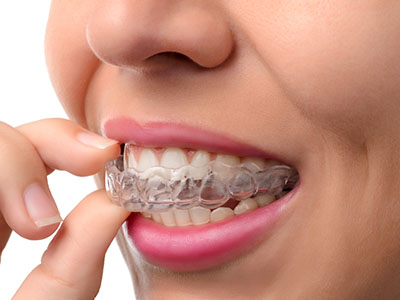
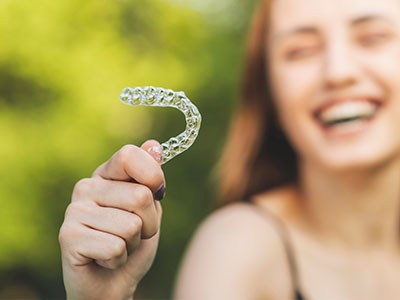
Invisalign® represents a modern approach to orthodontic care that emphasizes discretion, predictability, and patient convenience. Instead of brackets and wires, treatment uses a planned series of clear, removable aligners that apply gentle, controlled force to guide teeth into improved positions. For many adults and teens, this method provides a way to straighten teeth without altering daily routines or changing how you look while treatment is underway.

Invisalign® for Teens

Invisalign® for Brides

Invisalign® for Travelers
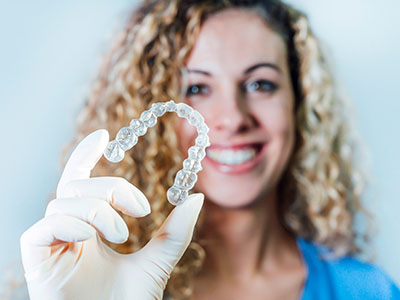
Before & After Photos
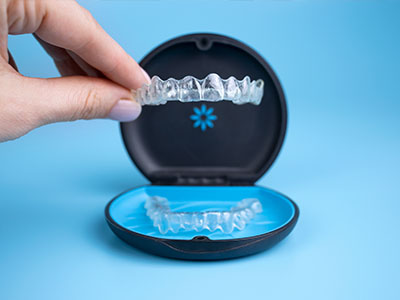
Invisalign® Videos
FAQs
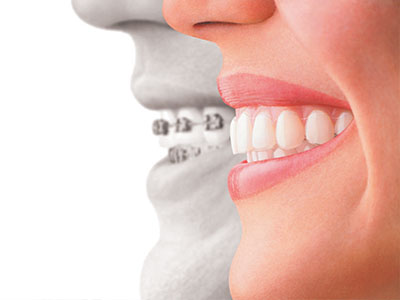
Invisalign® vs Braces
Invisalign® vs Direct-To-Consumer Aligners
Is Invisalign® Right For Me?

Invisalign® Costs
Clear aligners are popular because they balance aesthetics with effectiveness. Their translucency makes them much less noticeable than traditional fixed braces, which can be important for people whose work or social life places a premium on a polished appearance. Because aligners are removable, patients can brush, floss, and enjoy a full diet without the food restrictions that come with bonded brackets.
Clinically, aligner systems are well-suited for a wide range of alignment and bite concerns — from mild crowding and spacing to many moderate malocclusions. The key to success is a carefully designed treatment plan that sequences tooth movements in a way the biology of the mouth can tolerate. When these steps are choreographed properly, aligners can produce reliable, esthetic results for many patients.
Another practical advantage is patient comfort. Aligners are made from smooth, medical-grade plastic and are custom-formed to each set of teeth. Most people describe the sensations during wear as pressure rather than pain, and any temporary soreness typically subsides within a few days after switching to a new tray. With the right supervision and compliance, aligner treatment is a manageable, comfortable path to a straighter smile.
Modern aligner therapy begins with a detailed diagnostic phase. We collect digital records — including high-resolution scans and photographs — to capture the current position of your teeth, the way your jaws meet, and facial proportions that influence aesthetic choices. These records form the basis of a customized plan that charts each step of tooth movement from start to finish.
Advanced 3-D visualization tools let clinicians simulate treatment outcomes, so you can see an anticipated progression before the first tray is delivered. This visualization helps the dental team identify where attachments or auxiliary techniques may be needed to achieve the desired tooth movements. When a plan is refined and agreed upon, the custom aligners are fabricated to match each stage of that plan.
Throughout care, the treatment plan serves as a roadmap. Periodic progress checks ensure that tooth movement is tracking as expected; if minor refinements are required, additional aligners or brief adjustments can be incorporated. By combining digital planning with hands-on clinical oversight, the process becomes both predictable and responsive to how your teeth are actually moving.
Wearing aligners requires a short period of adaptation but is straightforward for most patients. Aligners are typically worn the majority of the day and removed for eating, brushing, and special occasions, which makes daily oral hygiene simpler and reduces the risk of staining or decay that can result from plaque accumulation around brackets. Speech may be slightly altered for a day or two, but most people adjust quickly.
Proper wear-time is central to success. Consistent use ensures that each aligner has the intended effect and that the full sequence of trays progresses on schedule. Your dental team will provide clear guidance on how to care for your trays — including cleaning protocols and tips for reducing odor and staining — so the appliances remain comfortable and hygienic throughout treatment.
Along the way, occasional attachments or small elastics may be recommended to address specific movements or bite relationships. These adjuncts are discreet and are incorporated into the plan only when they improve control and predictability. With a cooperative partnership between patient and clinician, aligner therapy is a practical, low-profile way to achieve meaningful orthodontic changes.
At Lashen & Klein Dental Group, clinical oversight is a central part of aligner care. Your initial consultation includes a thorough oral exam and a discussion about goals and expectations. We evaluate not only tooth alignment but also gum health, restorative needs, and jaw function to ensure aligner therapy is appropriate and safe. If pre-treatment dental work is necessary, we coordinate those steps before starting the aligner sequence.
During treatment, scheduled check-ins allow the team to verify progress, exchange trays, and make any minor adjustments. These visits also provide opportunities to reinforce oral hygiene habits and to address questions about comfort or schedule adherence. Should the movement deviate from the plan, we can implement refinements to keep the outcome on track.
When active alignment is complete, the final stage focuses on retention. A retainer — either removable or fixed — helps stabilize the new tooth positions while the surrounding bone and periodontal tissues remodel and adapt. Retention plans are individualized based on the type of correction, patient age, and functional considerations to maintain the results achieved.

We begin with a careful examination to understand your smile goals and determine whether aligner therapy will meet your needs. This visit is the time to ask questions and learn how the process works from start to finish.
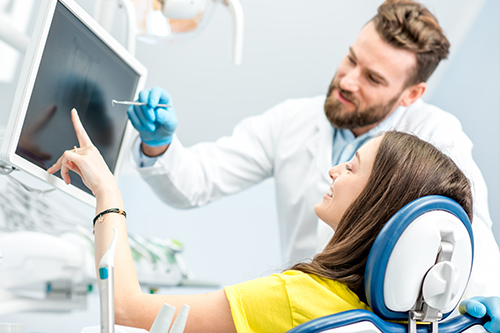
Fast, comfortable digital impressions replace messy trays. The resulting 3-D models let the team plan movements precisely and show you a projected outcome before fabrication begins.
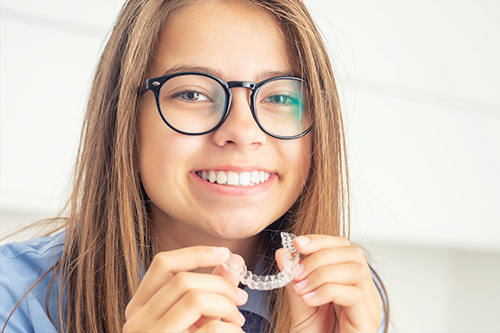
Each aligner is manufactured to the specifications of your plan using smooth, tailored materials. The result is an appliance that fits closely and moves teeth in a controlled way.

From the first tray through retention, you’ll receive clinical supervision to confirm progress and preserve the improvements long-term. Ongoing care helps keep your smile healthy and stable.
Straightening teeth is one part of creating a durable, healthy smile; protecting the result is the next. Retention strategies are designed to prevent relapse, because teeth can shift naturally over time. Your clinician will recommend a retention schedule tailored to your needs, explain how to use retainers properly, and set a plan for periodic monitoring.
In addition to retention, maintaining good oral hygiene and routine dental care supports the longevity of your new alignment. Regular cleanings, exams, and attention to periodontal health reduce risks that could compromise both function and aesthetics. Aligners can make hygiene easier during treatment, but long-term maintenance still depends on consistent home care and professional checkups.
Finally, life changes such as restorative work, tooth loss, or changes in jaw function may influence how teeth sit over the years. Keeping open communication with your dental team ensures any shifts are identified early and managed promptly, preserving the investment you’ve made in your smile.
At Lashen & Klein Dental Group, we combine modern aligner technology with careful clinical planning and personalized follow-up to help patients achieve predictable, lasting outcomes. If you’d like to learn more about whether Invisalign® is the right treatment for your smile, please contact us for more information.
*Invisalign® is a registered trademark of Align Technology, Inc.
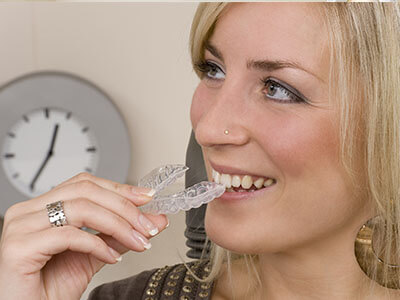
There are many options for patients who want to avoid metal braces! The most popular alternative orthodontic treatment is Invisalign®, which are clear plastic aligners designed to straighten teeth. After an examination of your teeth, your dentist will determine which option is best suited to your wants and needs.
According to the Invisalign® website, the cost for treatment is approximately the same as the cost for metal braces. A portion of this cost may be covered by your insurance. Please call us to set up a consultation and discuss potential payment plan options.
The first step is to schedule a consultation with your doctor, so they can devise a treatment plan that is best suited to your individual dental needs. Once approved, you will receive your first set of aligners. Your doctor will then regularly monitor the movement of your teeth and new aligners will be ordered according to the progress made in your treatment plan.
Invisalign® aligners are made of clear, flexible plastic. The company received a patent for this material – SmartTrack® – to be used exclusively for Invisalign treatment purposes. These aligners are FDA approved and nearly invisible!
Your doctor will give you an estimate regarding how long your Invisalign® treatment should take, which will depend on your specific needs. The average length of time for treatment is approximately 12-18 months. However, some patients may see results far sooner. Remember to wear your aligners exactly as instructed by your doctor to obtain the best results.
Your doctor will most likely recommend that you wear retainers following your Invisalign® treatment. This is a precaution that will prevent your teeth from shifting back to their original positioning. It is important to follow your doctor's instructions exactly to ensure long-lasting results.
You must wear your aligners for up to 22 hours daily. You may remove them for eating, drinking and regular oral hygiene.
No. Unlike braces, you may eat whatever you like as long as you remove the aligners before eating. Prior to placing the aligners back on, it is important to brush your teeth and the aligners after you eat.
Like any orthodontic treatment, there is a short adjustment period. The more you speak with the aligners on, the quicker you will adjust.
There will be some pressure and minor discomfort for a day or two after each initial insertion. This is a sign that your teeth are moving sequentially into their final position.
It is recommended that you remove your aligners prior to chewing gum as the gum will stick to the aligners.
We discourage smoking with aligners as the cigarette smoke will tend to discolor them.
Brushing them with toothpaste will keep them fresh and clean.
Regular office visits are every five to six weeks. This will ensure that your Invisalign treatment is progressing as planned.
All orthodontic patients are instructed to wear their retainers at night indefinitely. Sleeping with your retainers in at night will ensure a healthy bite and maintain the new position of your teeth.
Yes, if their teeth, including second molars, have grown in completely.
Ready to schedule your next dental appointment or have questions about our services?
Contacting Lashen & Klein Dental Group is easy! Our friendly staff is available to assist you with scheduling appointments, answering inquiries about treatment options, and addressing any concerns you may have. Whether you prefer to give us a call, send us an email, or fill out our convenient online contact form, we're here to help. Don't wait to take the first step towards achieving the smile of your dreams – reach out to us today and discover the difference personalized dental care can make.
