

Missing teeth are more common than most people realize, and the impact reaches beyond appearance. Gaps in the smile can affect how you chew, speak, and even how your jawbone ages over time. Fortunately, modern implant dentistry offers predictable ways to rebuild a healthy, functional mouth so you can return to everyday activities with confidence.
The team at the office of Lashen & Klein Dental Group helps patients explore implant options that match their goals and lifestyles. Rather than offering a one-size-fits-all approach, we focus on durable, evidence-based solutions that restore both function and natural-looking form.

Dental implants are designed to replace not just the visible tooth but the root as well. A small, biocompatible post is placed in the jawbone and, over time, bonds with the bone to create a stable foundation. That root-level support is what allows implant restorations to feel and function much like natural teeth.
Compared with removable dentures and many traditional bridges, implants provide greater stability, better chewing efficiency, and improved long-term bone preservation. For many patients, this translates into fewer maintenance hassles and a more natural eating and speaking experience.
Because the procedure and materials have evolved significantly over the last two decades, predictable outcomes are now standard when treatment is planned carefully and executed with appropriate technology and clinical expertise.
Once an implant is restored with a crown, bridge, or denture, patients often find they can eat a wider variety of foods comfortably and speak without worrying about slippage. The secure attachment of implant-supported restorations eliminates many of the limitations associated with removable prosthetics.
Implants also help preserve the jawbone. When a tooth is lost, nearby bone can resorb because it no longer receives the stimulation from chewing. Implants transmit forces into the bone and help maintain the facial contours that contribute to a youthful appearance.
Another advantage is that implants do not rely on adjacent teeth for support. That means neighboring healthy teeth can be left intact rather than being altered to support a bridge, which is an important consideration when long-term dental health is a priority.
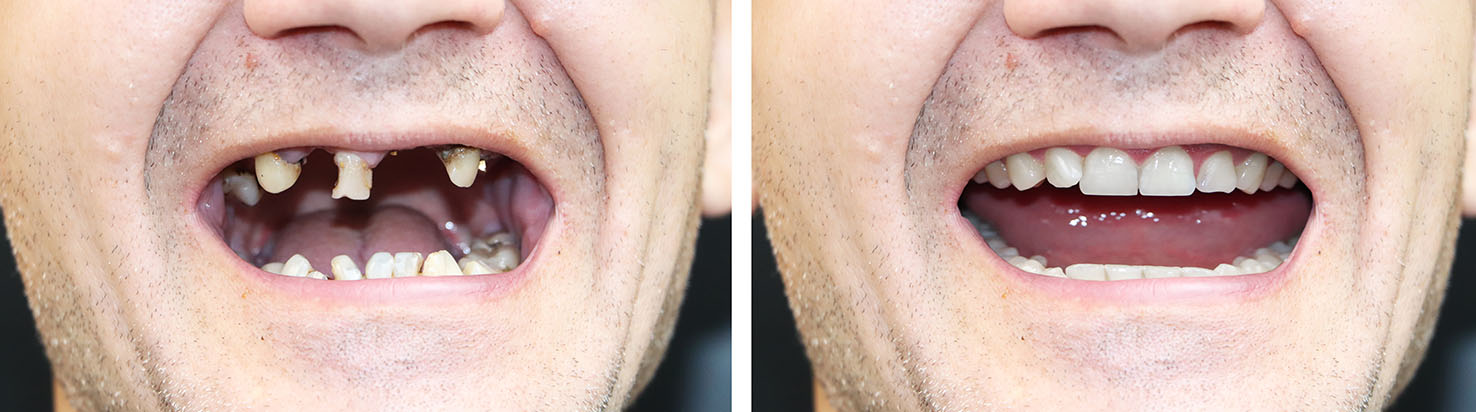
Implant dentistry is flexible. Solutions range from a single implant and crown to several implants supporting a full arch of teeth. The right choice depends on how many teeth are missing, the quality and quantity of jawbone, and the patient’s expectations for function and esthetics.
A thoughtful treatment plan evaluates the bite, the health of surrounding gums and teeth, and lifestyle factors so the final restoration is predictable and long-lasting. In many cases, modern imaging and guided placement allow us to position implants with precision for optimal outcomes.
Good implant care starts with a comprehensive evaluation. That includes a review of your medical and dental history, a clinical exam, and imaging to assess bone levels and anatomy. From this information we develop a treatment plan tailored to your mouth and your goals.
We’ll review anesthesia and sedation options so you feel comfortable during the procedure, and we’ll explain each phase of care—placement, healing, and final restoration—so there are no surprises.
Communication is important at every step. Our team answers questions about recovery, care of the surgical site, and what to expect while the implant integrates with the bone.
Implant placement is typically performed as an outpatient procedure. The complexity varies—some cases are straightforward and require a single implant, while others involve bone grafting or multiple implants. Your care plan will outline whether a temporary restoration is appropriate while the implant fuses with your bone.
Osseointegration—the process by which the implant bonds with the surrounding bone—usually takes a few months. During that time we monitor healing and help you maintain oral hygiene to support successful integration.
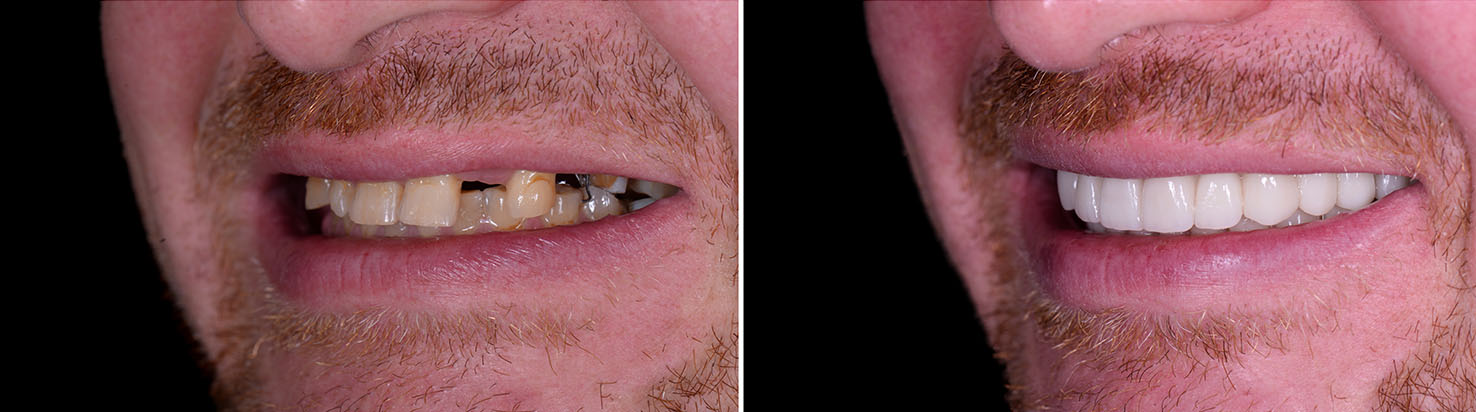
Some patients require bone grafting before or during implant placement. Bone loss can occur after tooth extraction or from periodontal disease, and grafting restores a stable foundation for implants. Grafting techniques and graft materials vary, but the goal is the same: create a predictable environment for a long-lasting implant.
Bone grafting has become a routine part of implant care when needed, and advances in materials and techniques make predictable results possible for many patients who once would have been told they did not have enough bone for implants.
Deciding to replace missing teeth is an important step for your oral health and quality of life. Dental implants provide a durable, natural-feeling solution that preserves bone, protects neighboring teeth, and restores chewing and speech function.
Our practice emphasizes careful planning, clear communication, and personalized care so each patient understands their options and expected outcomes. Whether you need one tooth or a comprehensive full-arch solution, we tailor the treatment to fit your needs.
If you’d like to learn more about implant dentistry or discuss how implants could work for your smile, please contact us for more information.

If you've lost a tooth due to injury, decay, gum disease, or any other reason, we recommend dental implants to replace missing teeth. Dental implants come the closest to replicating the look, feel, and function of your natural teeth.
Dental implants are placed into the jawbone and mirror the same function as the root of a tooth. The procedure for dental implants is usually performed while a patient is sedated. Patients who undergo IV sedation must have an empty stomach and transportation home following the procedure. Most sedation patients will have little to no memory of the procedure occurring.
Generally, dental implants are made out of a biocompatible metal such as titanium. Biocompatible metals are also used for other common bone implants (such as shoulder, hip, and knee replacements). The visible portion of the implant is usually made out of porcelain and is custom-made to match your existing teeth.
Dental implants are designed to fuse to the bone, which makes them become permanent fixtures. Typically speaking, the success rate is nearly 100%. There are few cases in which the implant will not fuse as intended and must be removed. If this happens to occur, the procedure can be attempted again a few months later.
Dental implants are not usually covered by dental insurance, but may be covered under a patient's medical insurance. Our office and your insurance company can discuss coverage options with you based on your individual case and treatment plan.
It's easy... just take care of an implant as if it's a natural tooth! This involves regular brushing, flossing, and dental checkups. If you have any concerns about your implant, contact us immediately.

Ready to schedule your next dental appointment or have questions about our services?
Contacting Lashen & Klein Dental Group is easy! Our friendly staff is available to assist you with scheduling appointments, answering inquiries about treatment options, and addressing any concerns you may have. Whether you prefer to give us a call, send us an email, or fill out our convenient online contact form, we're here to help. Don't wait to take the first step towards achieving the smile of your dreams – reach out to us today and discover the difference personalized dental care can make.