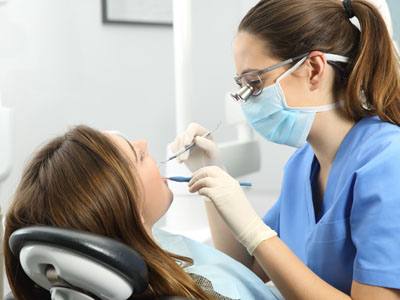
Keeping your smile healthy starts at home, but even the most attentive daily routine can't always reach every surface where bacteria hide. Professional dental cleanings remove hardened deposits, reveal early signs of trouble, and give you practical guidance that makes home care more effective. Regular visits help preserve both the appearance and the function of your teeth, while allowing your dental team to monitor changes before they become more complex problems.
Biofilm — a sticky layer of bacteria we call plaque — forms constantly on tooth surfaces. Left untreated, plaque mineralizes into tartar (calculus), which bonds to enamel and the roots of teeth and can only be removed by a dental professional. Removing these deposits reduces the bacterial load in the mouth and lowers the risk of decay and gum inflammation.
Gum disease often begins subtly, with bleeding or tenderness that people may overlook. Professional cleanings include careful examination of gum tissue and measurement of the pockets around teeth so that early signs can be addressed promptly. Treating gum disease in its early stages is more predictable and less invasive than managing advanced periodontal problems.
Cleanings also contribute to overall health. Emerging research links poor oral health with conditions such as diabetes and cardiovascular disease; while a cleaning is not a medical treatment for these illnesses, maintaining oral hygiene can be an important part of comprehensive health management. For most patients, hygiene visits are recommended every six months, though frequency may be adjusted based on individual needs.
A comprehensive dental cleaning combines visual inspection, gentle instrumentation, and polishing. Your hygienist begins by surveying the mouth, checking for signs of decay, inflammation, or other abnormalities. Next comes removal of plaque and tartar using a combination of hand instruments and, when appropriate, an ultrasonic scaler that uses controlled vibrations and a water spray to dislodge deposits.
After scaling, the teeth are smoothed and polished to remove surface stains and make plaque less likely to accumulate quickly. This step improves the feel and appearance of the teeth and helps you leave the appointment with a fresher, cleaner sensation. Finally, the hygienist will floss between teeth and assess how well your home routine is working, making adjustments as needed.
Most cleanings are comfortable and completed in a single visit. For patients with sensitivity, advanced buildup, or deeper periodontal pockets, the process may take longer or involve additional steps to ensure comfort and effectiveness. Your team will explain each stage as it happens and make accommodations to minimize discomfort.
Sensitivity during dental procedures is common and manageable. Hygienists are trained to use techniques and tools that reduce discomfort, and topical anesthetic gels or localized numbing can be provided when necessary. If you have dental anxiety or a strong gag reflex, let the team know so they can offer calming strategies or schedule appointments at times that work best for you.
Certain life stages and medical conditions call for tailored hygiene care. Pregnant patients, people with diabetes, individuals undergoing cancer therapy, and those with compromised immune systems may require closer monitoring and more frequent cleanings. The hygienist will coordinate with your dentist to recommend a schedule and approach that supports overall health.
Patients with dental appliances — such as implants, fixed bridges, or orthodontic devices — also benefit from specialized cleaning techniques. Hygienists use instruments and protocols designed to clean around restorations and hardware without causing damage, while checking for signs that restorations are functioning properly.
Beyond removing deposits, each cleaning is an opportunity to sharpen your daily routine. Hygienists evaluate brushing technique, flossing effectiveness, and the fit between your habits and your oral health goals. Small changes — a different brush angle, an interdental tool, or a timed brushing routine — can produce meaningful improvements over time.
Dietary habits also influence oral health. Hygienists offer clear, actionable advice about how frequent snacking, acidic beverages, or high-sugar foods affect enamel and gum tissue. They can suggest small, sustainable adjustments that reduce risk without demanding drastic lifestyle changes.
For patients who want to maintain a brighter smile, hygienists can recommend safe whitening practices and suggest which cosmetic options are compatible with restorative work. Importantly, all advice is personalized: the goal is to create a practical plan that fits your daily life and supports long-term oral wellness.
Preventive dentistry is a partnership between you and your dental team: regular cleanings, well-applied home care, and timely checkups add up to fewer emergencies and more predictable outcomes. Our approach focuses on early detection, minimally invasive intervention, and clear communication so you always understand the condition of your mouth and the rationale for recommended care.
The team at Lashen & Klein Dental Group emphasizes comfort, education, and evidence-based clinical technique. Whether you’re new to professional cleanings or returning after a gap in care, the practice provides a respectful, systematic visit that prioritizes your oral health goals and personal comfort.
If you’d like to learn more about how professional dental cleanings fit into a comprehensive preventive plan, or to discuss scheduling and any special accommodations you may need, please contact us for more information. We’re here to help you keep your smile healthy for years to come.

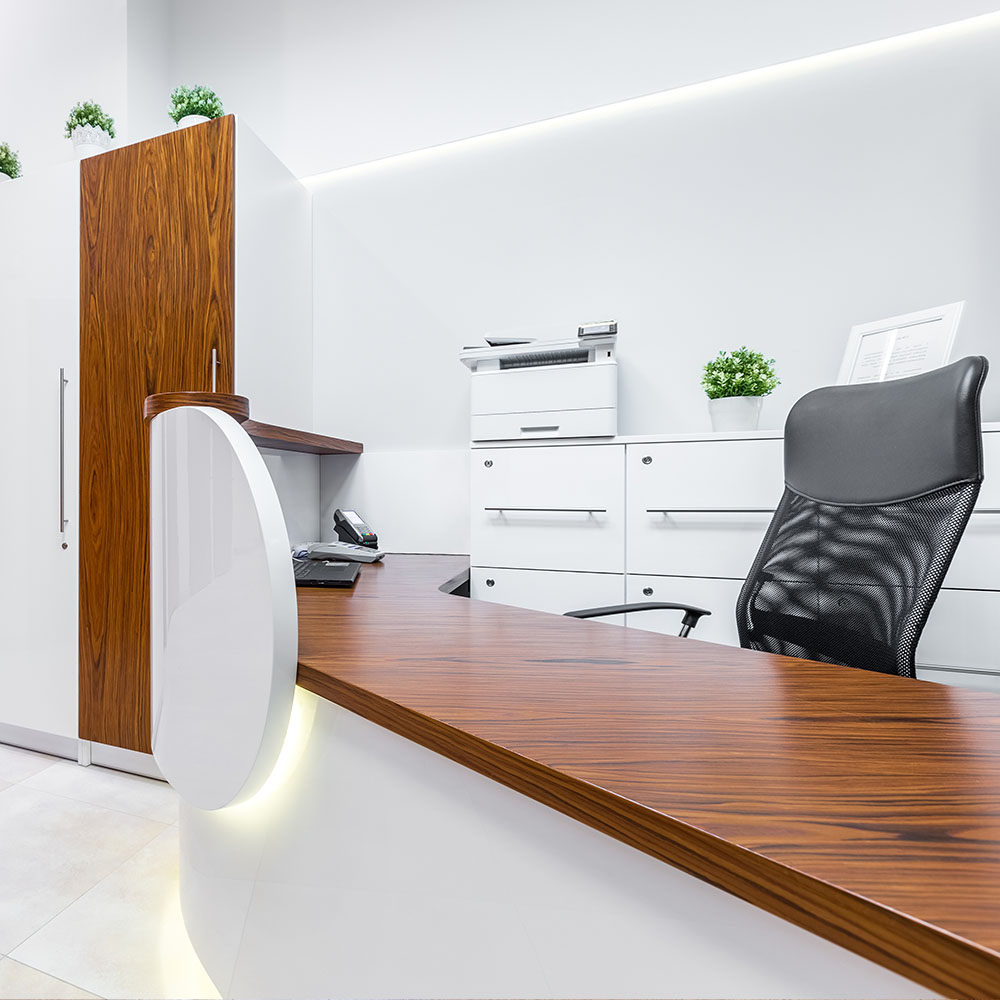
Ready to schedule your next dental appointment or have questions about our services?
Contacting Lashen & Klein Dental Group is easy! Our friendly staff is available to assist you with scheduling appointments, answering inquiries about treatment options, and addressing any concerns you may have. Whether you prefer to give us a call, send us an email, or fill out our convenient online contact form, we're here to help. Don't wait to take the first step towards achieving the smile of your dreams – reach out to us today and discover the difference personalized dental care can make.