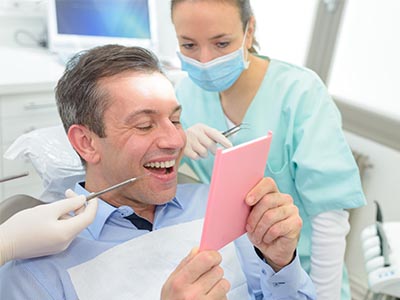
At Lashen & Klein Dental Group, we believe a confident smile begins with a strong, functional foundation. Missing teeth can affect more than how you look — they shape the way you chew, speak, and maintain oral health over time. This page explains why timely tooth replacement matters, how modern bridges fit into today’s treatment options, and what you can expect if a bridge is part of your personalized care plan. Our goal is to help you make informed decisions with clear, practical information.
When a tooth is lost, the effects ripple through your mouth. Neighboring teeth can tilt or drift into the empty space, gradually changing your bite and the way forces are distributed when you chew. This shifting can make it harder to keep teeth clean, increasing the risk of decay and gum problems in adjacent areas.
Bone beneath a missing tooth also responds to the absence of normal stimulation. Over time, the jawbone can shrink where the tooth root once sat, subtly altering facial contours and sometimes affecting how dentures or future restorations fit. These changes often progress slowly, which is why many people underestimate the long-term consequences of leaving a gap untreated.
The functional impact can be immediate for some people. Gaps can make biting into certain foods uncomfortable and may change speech sounds, especially when front teeth are involved. Replacing missing teeth preserves chewing efficiency, stabilizes the remaining dentition, and helps maintain the natural balance of your smile.
Today's dentistry offers several reliable approaches to replace missing teeth, each with distinct benefits. Removable partial dentures are a non-invasive option that restores appearance and basic function, while dental implants replace both the root and crown for the closest match to a natural tooth. Bridges occupy a middle ground: they provide a fixed solution that can restore chewing function and aesthetics without the need for a removable appliance.
A dental bridge spans the gap left by one or more missing teeth by anchoring an artificial tooth (or teeth) to adjacent supporting structures. Those supports can be natural teeth prepared to receive crowns, or they can be implants placed specifically to hold the restoration. The choice depends on the health of surrounding teeth, bone quality, and your long-term goals.
Your dentist will weigh factors such as adjacent tooth condition, oral hygiene, bone volume, and the location of the missing tooth to recommend the best solution. Bridges remain a predictable, widely used option when the surrounding teeth can provide reliable support or when implants are not the preferred route.
At their core, bridges are engineered to restore both form and function. A typical fixed bridge uses crowns on supporting teeth connected to one or more replacement teeth called pontics. Together, these components form a single, continuous restoration that transfers chewing forces across the bridge and into the natural teeth or implants that support it.
Materials used today range from strong metal-ceramic combinations to fully ceramic systems like zirconia. These advances allow bridges to be durable while mimicking natural tooth color and translucency. Material choice is guided by the location of the tooth, the amount of force it will endure, and aesthetic priorities.
Precision in fit is crucial. A well-designed bridge restores proper bite relationships and contours so it integrates comfortably with surrounding teeth and soft tissues. Proper engineering reduces the risk of food trapping and simplifies home care, which helps the bridge last longer and supports oral health overall.
There are different bridge designs to match clinical needs. Traditional fixed bridges use crowns on teeth adjacent to the gap and are effective when those teeth are healthy or already require crowns. Implant-supported bridges use implants as anchors and are an excellent choice when preserving adjacent teeth is a priority or when greater long-term stability is desired.
Cantilever bridges anchor to only one adjacent tooth and can be appropriate in areas with limited space or when opposing forces are low. Resin-bonded (Maryland-style) bridges rely on a bonded framework and are sometimes used for replacing front teeth when minimal alteration of adjacent teeth is preferred. Each approach has trade-offs in terms of preparation of natural teeth, durability, and maintenance.
A careful examination, including X-rays or 3D imaging when needed, helps determine which design will deliver the most predictable outcome. Your clinician will discuss the pros and cons of each option in the context of your oral health, lifestyle, and long-term expectations so you can choose a solution that fits your needs.
The process begins with a thorough assessment and treatment plan. For tooth-supported bridges this typically involves preparing the abutment teeth for crowns, taking precise impressions, and placing a temporary restoration while the final bridge is fabricated. For implant-supported bridges, the process includes surgical placement of implants followed by a healing period before the final restoration is attached.
During treatment you may experience temporary sensitivity or mild soreness as the mouth adjusts. Experienced dental teams focus on comfort and clear post-procedure instructions to minimize discomfort. Temporary restorations protect prepared teeth and help maintain appearance and function until the permanent bridge is ready.
Once the bridge is in place, regular maintenance is essential. Daily brushing and flossing around the bridge helps prevent decay at the margins and reduces the risk of gum disease. Special cleaning tools, such as floss threaders or interdental brushes, are often recommended to clean under pontics. Routine dental visits allow the clinician to check fit, bite, and tissue health and to address minor adjustments before they become problems.
Rebuilding a missing tooth with a bridge is a proven way to restore function, preserve surrounding teeth, and maintain a natural-looking smile. If you’d like to explore whether a bridge is the right choice for your situation, please contact us for more information.

Your new bridge is customized to the exact specifications of your smile. Before cementing to the underlying teeth or affixing it to the supporting implants, the shade, occlusion, and all aspects of its fit are carefully checked. In addition to being designed to blend seamlessly with your smile, it's also made to suit your bite and withstand all manner of oral function. We take great care to make sure your new restoration looks great, fits well, and that your bite feels comfortable.
Replacing missing teeth with a dental bridge is a worthwhile investment in the look, health, and function of your smile. While many dental insurances offer coverage for a dental bridge, and some toward the cost of implants, the benefits and amounts can vary significantly from plan to plan. At the office of Lashen & Klein Dental Group, we understand the financial considerations involved in care and do all we can to help patients begin treatment without any additional stress or delay. In addition to doing our best to optimize your dental benefits, we also offer several payment and financing options. Feel free to contact our office if you have any questions on the cost of care, dental insurances, financing plans, or acceptable forms of payment.
Now that your new permanent crown or bridge is in place, it's essential to maintain good oral hygiene. With proper care, your new restorations will last for years to come. Make sure to brush and floss as instructed. We'll show you how to floss under your dental bridge to keep your new smile clean and bright. Remember to make appointments for your routine checkups and professional cleanings.
The standard answer is that with routine dental visits and good home care, a bridge can last ten to fifteen years, and in many cases, much longer.
At the office of Lashen & Klein Dental Group, we fabricate your bridge from the highest quality dental materials to achieve the most cosmetically pleasing and lifelike results of care. It's also customized to the exact specifications of your smile and designed for optimal aesthetics, strength, and stability. Once fabricated and cemented into place, you'll feel confident sharing your smile, speaking, and eating your favorite foods.
As your trusted partner in care, we analyze every aspect of your smile to develop a treatment plan that provides aesthetically pleasing, healthy, and long-lasting results of care.
For more information on dental bridges, or any services we provide, give us a call today.
Ready to schedule your next dental appointment or have questions about our services?
Contacting Lashen & Klein Dental Group is easy! Our friendly staff is available to assist you with scheduling appointments, answering inquiries about treatment options, and addressing any concerns you may have. Whether you prefer to give us a call, send us an email, or fill out our convenient online contact form, we're here to help. Don't wait to take the first step towards achieving the smile of your dreams – reach out to us today and discover the difference personalized dental care can make.